Public leisure centres today are expected to do far more than simply provide access to sport. They operate as social infrastructure: places where health, inclusion, community engagement and public safety intersect every day. At Riverside Leisure Centre in Chelmsford, that broader mission is visible across the entire facility, from the swimming pools to the ice rink, gym, studios and sports hall that serve the local community year round.
In this interview, Oliver Neate, Aquatics Manager at Riverside, shares his perspective on what effective aquatic safety looks like in a modern public facility. From supervision culture and staff development to inclusive programming and operational consistency, his approach reflects the day to day reality of managing a busy community aquatic environment where safety, accessibility and public confidence must continuously work together.
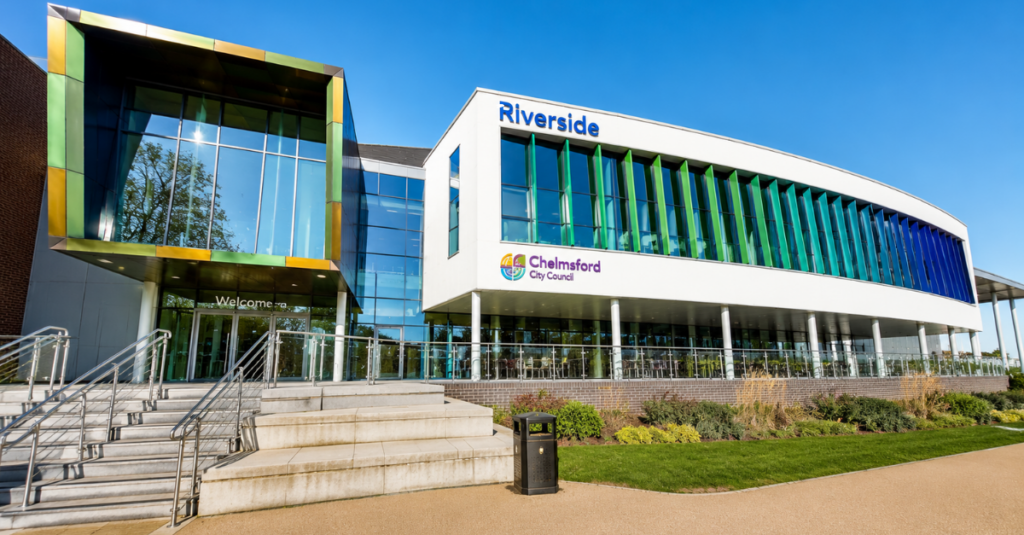
Riverside sits on the River Chelmer and is closely connected to Chelmsford city centre. Do you see it mainly as a neighbourhood facility, a city centre anchor, or a wider regional draw?
“I see Riverside as both a city centre anchor and a wider regional draw, partly because the centre includes a permanent ice rink.”
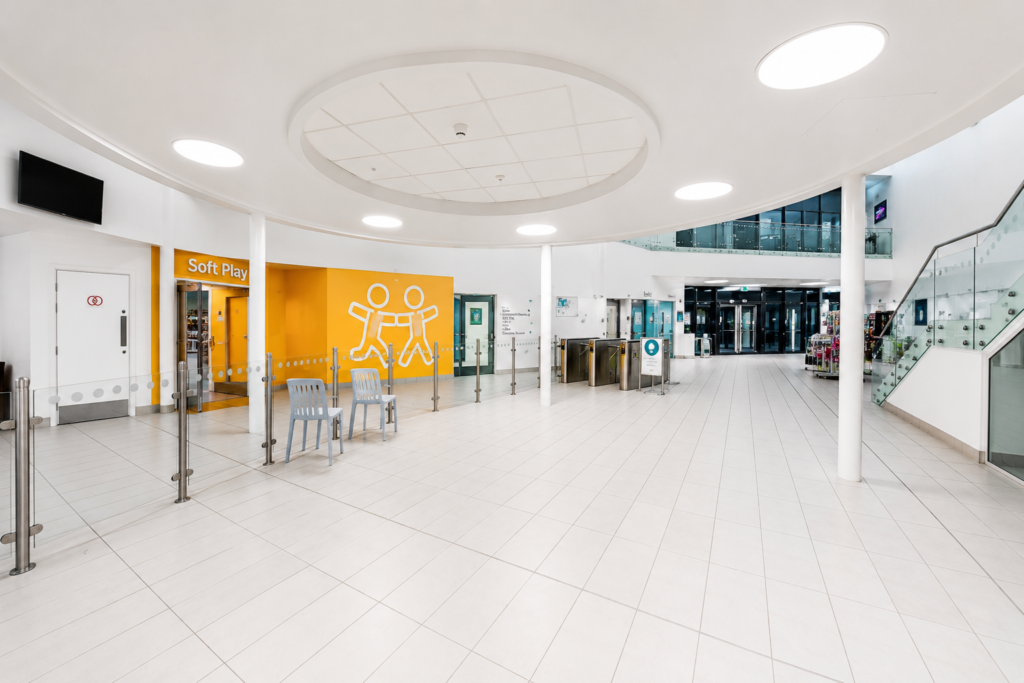
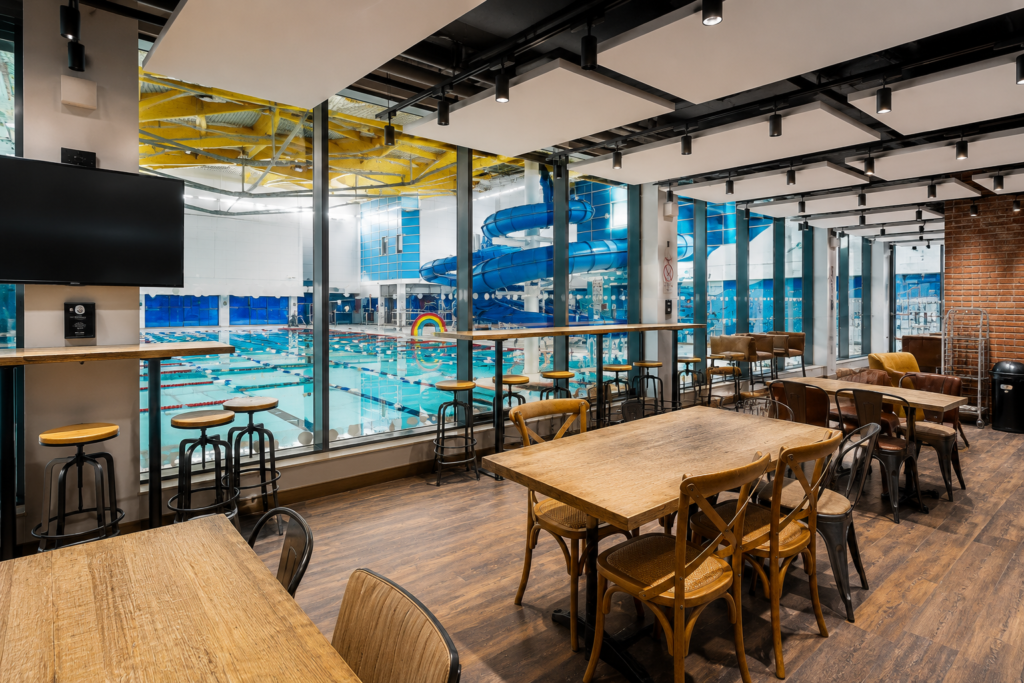
Riverside is not just a pool, but a mixed use civic complex. How does that wider building ecology shape aquatics operations and customer experience?
“We have to plan our programme around the other activities in the centre. For example, we make sure public ice rink sessions do not clash with pool fun sessions because of the volume of people attending the centre.”
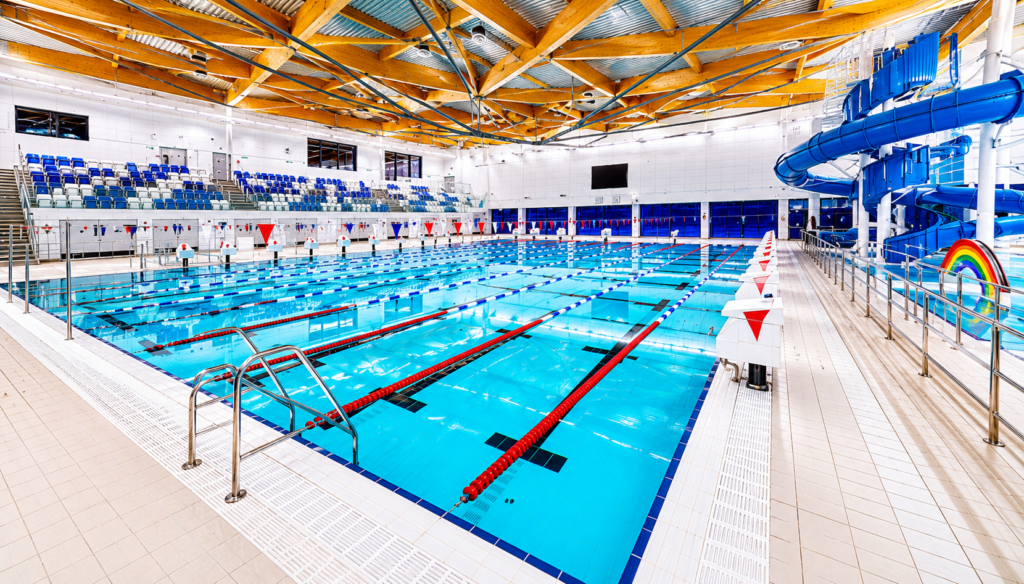
With lane swimming, fun sessions, sensory sessions, parties, Sub Aqua activity and club use all sharing the same water space, how do you decide what to prioritise?
“We look at local demographics and public demand. For example, it is important to have a quality learn to swim programme alongside a robust public session programme, so that all needs are met.”
Riverside’s swimming lessons are currently full. What does that say about demand, and what is the real constraint?
“The main constraint is water space, especially when we are also trying to offer a variety of pool activities for all users.”
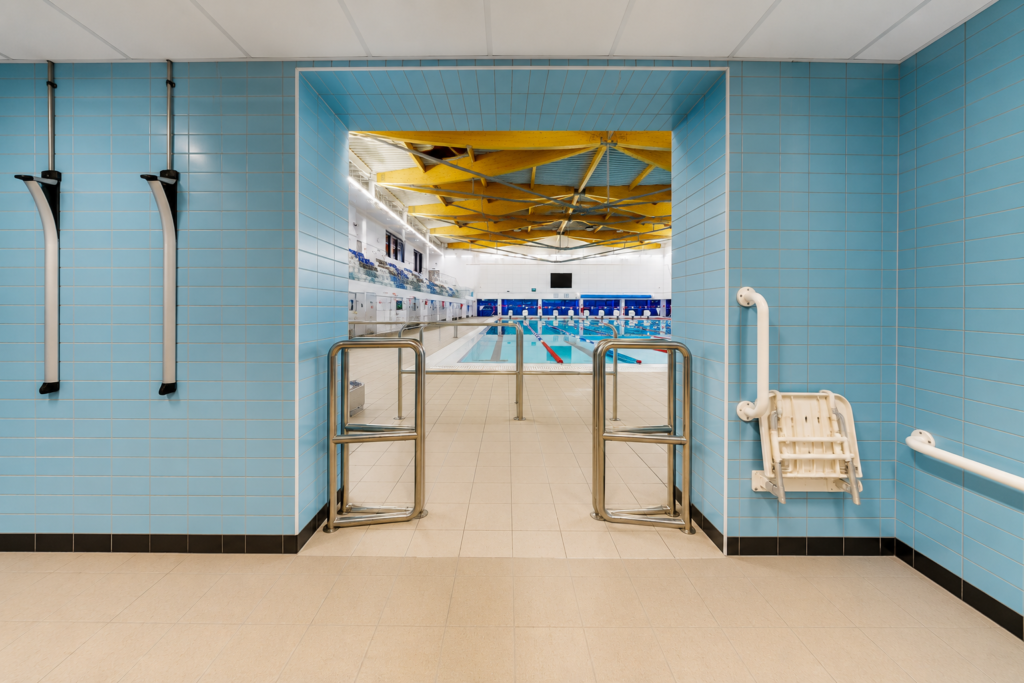
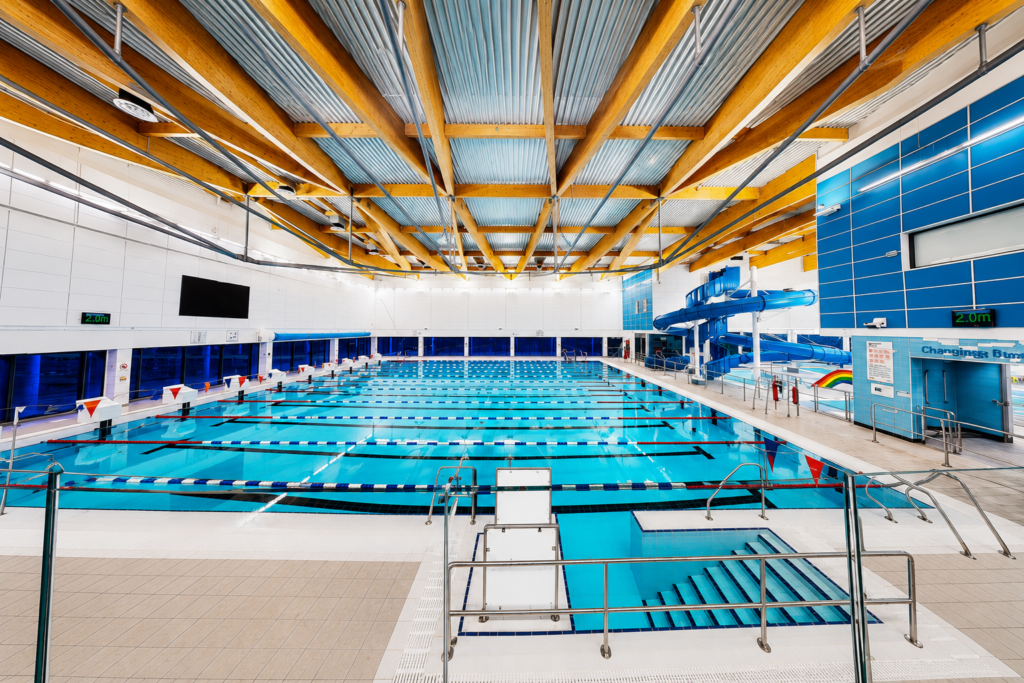
Which accessibility measure has most changed behaviour on the pool floor?
“The biggest difference is that it allows all types of users to access the swimming facilities, regardless of personal barriers.”
How do you make the aquatic environment genuinely welcoming for users whose needs may not always be visible?
“As a council run facility, we have to be inclusive for all people and all users. We have robust policies in place to make sure staff are fully inclusive, and training is provided where required.”
At Riverside, what does good supervision mean beyond simply having enough eyes on the water?
“It means making sure health and safety policies are fully enforced and followed as far as possible by staff.”
What made you conclude that conventional supervision on its own was no longer enough?
“We needed additional measures to support lifeguards and increase supervision, so that incidents are not missed.”
When assessing a drowning detection support system, what mattered most?
“Ease of use, staff buy in and value for money.”
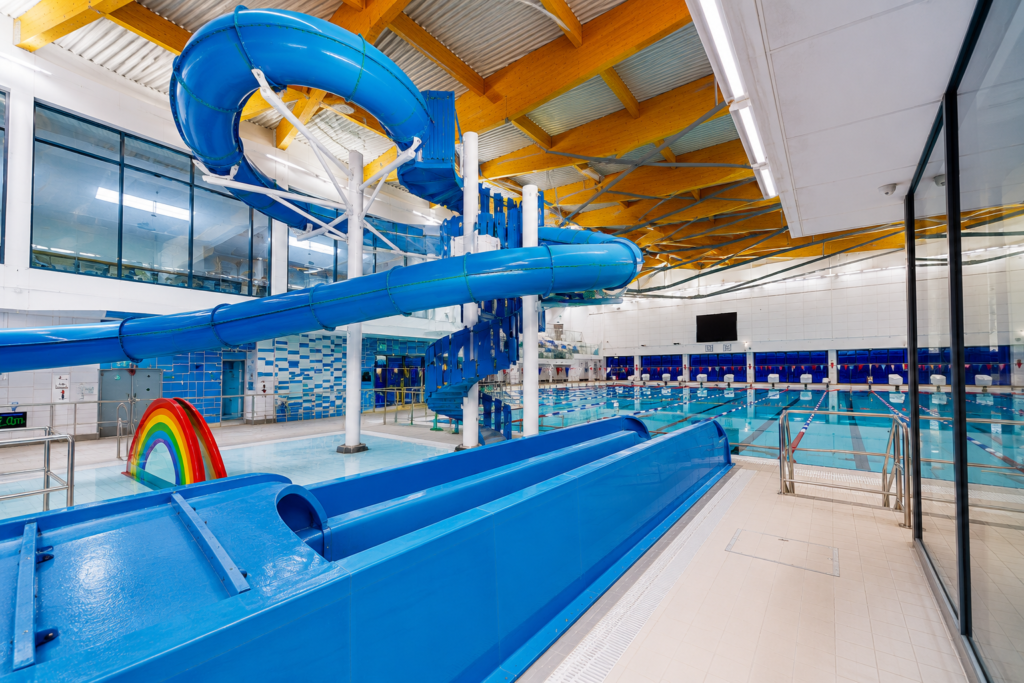
Once the system went live, how did it change the lifeguard’s working day?
“Our day to day shifts and positions have remained the same. As mentioned earlier, drowning prevention systems are used as an additional measure rather than to reduce staff capacity.”
What improvement has mattered most since go live?
“The most valuable improvement has been the evidence available for debriefs.”
How different does Riverside feel across term time, holidays and event weeks?
“The centre is always busy, but some holiday periods make particular facilities busier. For example, in winter the ice rink is busier, while in summer the pool is busier. The gym and sports hall tend to stay consistent all year round.”
As Riverside continues to evolve, what should its next chapter look like?
“The council is always looking to invest in the business to create new services or improve the services we already provide to the local community. That is the best way to keep the centre evolving and to continue offering the best services possible to the local community.”
From AngelEye’s perspective, Riverside Leisure Centre stands out as the kind of public aquatic environment where technology has the right place and the right tone. Not as a headline seeking to replace people, but as part of a wider safety culture built on vigilance, access, professionalism and care. Our sincere thanks go to Oliver Neate for sharing his perspective, and to Riverside Leisure Centre in Chelmsford for embodying a thoughtful, community minded standard of aquatic operations.